
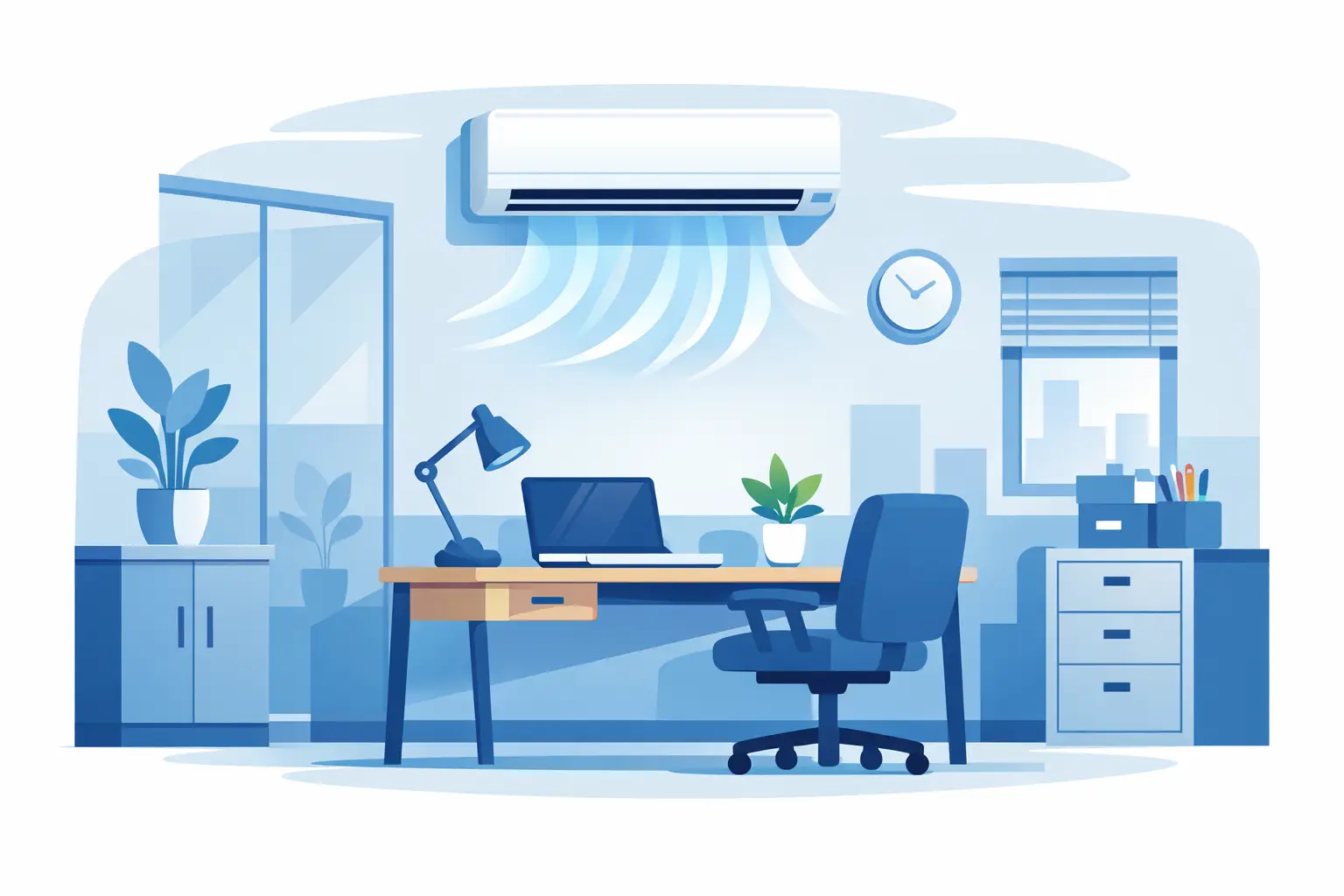
A small office can get uncomfortable faster than most business owners expect. A few people, a couple of computers, afternoon sun through the windows, and suddenly the room feels stuffy, warm, and hard to work in. Choosing the right air conditioning for small office spaces is not just about cooling the room down. It is about keeping staff comfortable, protecting productivity, and avoiding energy bills that climb higher than they should.
The right setup depends on how the office is used, how many rooms need cooling, and whether you want a simple solution now or a system that will still suit the business in five years. There is no one-size-fits-all answer, but there are clear ways to narrow the options.
What matters most in air conditioning for small office spaces
For a small office, cooling capacity is only one part of the decision. Day-to-day performance matters just as much. If a system is loud, uneven, or expensive to run, it will become a problem long after installation day.
Most office owners are balancing four things at once: comfort, upfront cost, energy efficiency, and appearance. A compact split system may be enough for a single office suite, while a multi-zone or ducted setup may make more sense if you have several rooms, meeting spaces, or a reception area. The best choice usually comes down to layout, occupancy, and how much control you want over different areas.
It also helps to think beyond square footage. Offices generate heat differently than homes do. Computers, printers, lighting, and people all add to the cooling load. A room that looks small on paper may still need more capacity than expected if it is heavily used or gets direct sun for most of the day.
The main system types to consider
Split-system air conditioning
A split system is often the most practical option for a small office with one main open area or one to two rooms. It includes an indoor unit mounted on the wall and an outdoor condenser. These systems are popular because they are cost-effective, relatively quick to install, and efficient when sized correctly.
For a small professional office, salon, consulting room, or retail back office, a split system can deliver strong performance without the complexity of a larger commercial setup. Many modern units are also quiet, which matters in workplaces where phone calls and meetings happen throughout the day.
The trade-off is coverage. If your office has multiple enclosed rooms, one split system may leave hot and cold spots unless the layout is very open.
Multi-split systems
A multi-split system connects several indoor units to one outdoor unit. This works well for small offices with separate rooms that need independent temperature control, such as private offices, a meeting room, and a reception area.
This option gives you more flexibility than a single split system and usually looks cleaner outside because you are not installing multiple condensers. It also allows different zones to run as needed, which can reduce wasted energy.
The downside is higher installation cost and more planning. If the office layout is changing soon, it is worth checking whether the room-by-room design will still suit the space later.
Ducted air conditioning
Ducted air conditioning suits small offices that want a cleaner look and more even airflow across multiple rooms. The indoor equipment is hidden in the ceiling, with conditioned air delivered through vents.
This is often the premium option for offices where presentation matters, such as medical suites, boutique agencies, or client-facing businesses. It keeps wall space clear and can provide excellent comfort when designed properly.
However, ducted systems are not always the best fit for every small office. If the space is modest and only used by a few people, the added cost may not be justified. Ceiling access, building constraints, and office hours also affect whether ducted installation is practical.
VRF or VRV systems
For larger small offices or mixed-use commercial spaces, VRF or VRV systems can offer precise zone control and strong efficiency. These are more advanced commercial-grade systems designed for buildings with multiple rooms and varying cooling demands.
They are usually not the first option for a very small office, but they can be the right long-term solution for growing businesses that need scalable performance. The key question is whether the complexity and cost match the size of the premises and how the space will be used.
Getting the size right matters more than many people think
An undersized system will struggle on hot days and run longer than it should. An oversized system can cycle on and off too quickly, which may lead to uneven temperatures, higher wear, and less effective humidity control.
Proper sizing should consider more than floor area. Window size, insulation, ceiling height, sun exposure, occupancy, and office equipment all affect the result. A server nook, west-facing glass, or a busy reception area can change the load significantly.
This is where professional advice makes a real difference. Good installers do not guess based on room size alone. They assess the actual conditions so the system can perform efficiently in real working conditions, not just in theory.
Energy efficiency and running costs
When comparing air conditioning for small office use, running cost deserves close attention. A cheaper system upfront can cost more over time if it is inefficient or poorly matched to the space.
Look at the unit’s efficiency ratings, inverter technology, and zoning capability. Inverter systems adjust output based on demand rather than simply turning fully on or off. That usually means more stable temperatures and lower energy use.
Zoning can also make a noticeable difference. If only part of the office is occupied for most of the day, you do not want to cool unused rooms unnecessarily. This is one reason multi-split, ducted with zones, and VRF systems can be attractive despite the higher installation cost.
Maintenance also affects efficiency. Dirty filters, blocked coils, and low refrigerant levels can push energy use up while reducing comfort. For an office, routine servicing is not just about preventing breakdowns. It helps the system keep doing its job without wasting power.
Installation factors business owners should not overlook
The best unit on paper can still disappoint if the installation is rushed or poorly planned. Positioning matters. Airflow should support the way the office is used, not blow directly onto desks all day or leave corners stagnant.
Outdoor unit placement is another practical issue. Noise, access for service, building rules, and distance from indoor units can all affect the final design. In leased office spaces, landlord approval or building management requirements may also shape the options.
Timing matters too. Many small offices prefer installation outside business hours or in stages to reduce disruption. That is worth discussing early, especially if the office cannot afford downtime.
A clear quote should explain what is included, what electrical or access work may be required, and whether any upgrades to controls or drainage are needed. Honest advice at this stage prevents budget surprises later.
How to choose the best setup for your office
If you have one open-plan room, a quality split system is often the simplest and best-value answer. If you have several rooms with different usage patterns, a multi-split system may give you better control. If appearance, ceiling concealment, and even airflow are top priorities, ducted air conditioning may be worth the added investment.
The right answer depends on how the office actually operates. A five-person office with standard business hours has different needs than a clinic with treatment rooms or a studio filled with heat-producing equipment. That is why practical recommendations should be based on the layout and usage, not just a price list.
For businesses that want dependable guidance, companies like Cool Air Tech typically focus on matching the system to the space rather than pushing a single product type. That approach tends to lead to better comfort, better efficiency, and fewer regrets after installation.
Common mistakes with air conditioning for small office projects
One common mistake is buying based on capacity alone without considering room layout. Another is choosing the cheapest unit available and assuming all systems perform the same. They do not.
It is also easy to overlook maintenance access, future office changes, and staff comfort. A system that looks fine during installation can become frustrating if it is noisy, hard to control, or unable to cool key areas evenly.
Business owners sometimes delay replacement too long as well. If an older system needs frequent repairs, struggles in summer, or drives energy bills up, replacement can be the more economical decision over time.
A comfortable office should not feel like a constant compromise. The right air conditioning setup creates a space where people can focus, customers feel welcome, and the business is not paying more than necessary just to stay cool. If you start with the office layout, heat load, and how the space is used day to day, the best option usually becomes much clearer.