
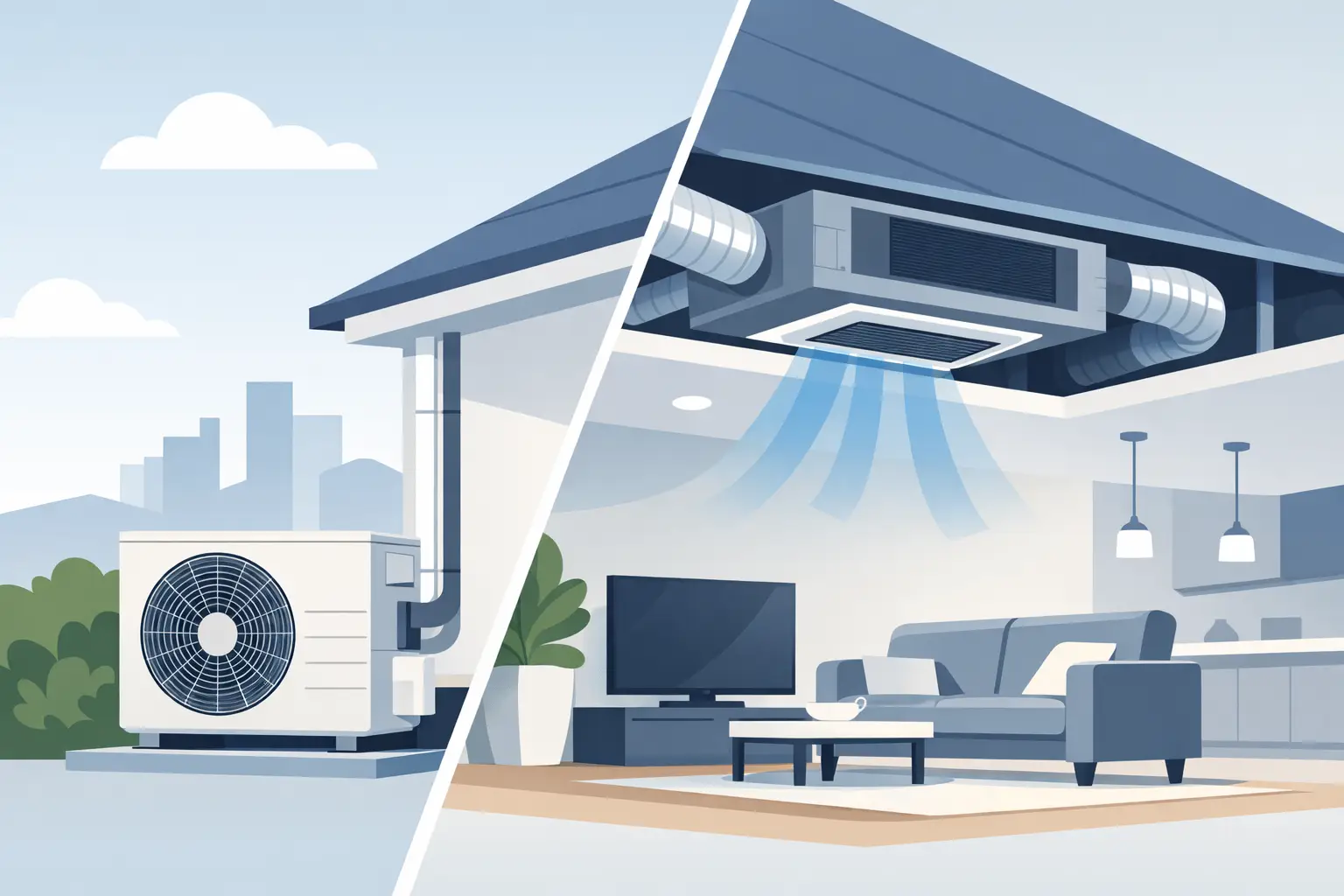
If you are comparing whole-home air conditioning systems, a Mitsubishi Electric ducted review usually comes down to four questions: Does it heat and cool well, is it efficient, how quiet is it, and will it hold up over time? Those are the right questions, because ducted air conditioning is a major investment and the quality of the system matters just as much as the installation behind it.
For many homes and light commercial spaces, Mitsubishi Electric has earned its reputation by being consistent rather than flashy. These systems are generally known for stable temperature control, quiet operation, and strong zoning capability. That does not mean they are the cheapest option on the market, and they are not automatically the right fit for every property. But if you want a premium ducted system with a solid track record, Mitsubishi Electric is usually a serious contender.
Mitsubishi Electric ducted review – overall impression
The short version is that Mitsubishi Electric ducted systems tend to perform very well in the areas most owners care about day to day. They deliver even airflow, maintain indoor comfort without excessive noise, and offer control options that make it easier to run only the areas you need. In practical terms, that means fewer hot and cold spots, less disruption at night, and better control over running costs.
Where this brand often stands out is refinement. Some systems can cool a space quickly but feel noisy, abrupt, or uneven. Mitsubishi Electric ducted units are typically designed to feel more controlled and less intrusive. That matters in family homes, open-plan living areas, offices, and bedrooms where comfort is not just about reaching a target temperature.
The trade-off is price. Mitsubishi Electric is often positioned in the premium end of the ducted market, so the upfront cost can be higher than some competing brands. For buyers focused only on the cheapest installation quote, that can be a sticking point. For buyers looking at long-term comfort, efficiency, and reliability, the value equation can look very different.
Performance and comfort
A ducted system only feels premium if the air distribution is right, and this is where Mitsubishi Electric generally performs well. When sized correctly, these systems can deliver steady cooling and heating across multiple rooms without the stop-start feeling that some lower-tier setups produce.
In larger homes, consistent airflow matters more than headline specs. A powerful unit on paper can still struggle if it is not matched well to the home layout, insulation levels, ceiling space, and duct design. Mitsubishi Electric equipment gives installers good flexibility, but the end result still depends heavily on proper design. A well-installed system can feel balanced and controlled. A poorly designed one can still leave you with weak airflow or uneven temperatures, no matter how good the brand is.
For commercial settings such as small offices or retail spaces, that same consistency is useful. You want a system that keeps staff and customers comfortable without creating noise complaints or temperature battles between rooms. Mitsubishi Electric ducted systems can be a good fit here, especially where zoning is needed across several areas.
Energy efficiency and running costs
One reason many buyers look closely at this brand is energy efficiency. Mitsubishi Electric has a strong reputation for inverter-driven performance, which helps the system adjust output instead of constantly switching fully on and off. In plain terms, that can mean more stable temperatures and less wasted energy once the space reaches the set point.
That said, no brand alone guarantees low bills. Running costs depend on several factors, including system size, how often you use it, your thermostat settings, insulation quality, zoning setup, and local climate conditions. An oversized system can be inefficient. An undersized system can run too hard for too long. Even the best ducted unit will cost more to operate if the home leaks air or if every zone is left running all day.
Mitsubishi Electric systems usually make the most sense for buyers who actually use zoning properly. If you only need bedrooms at night and living areas during the day, zoning can reduce unnecessary use and improve efficiency. If your household tends to cool or heat the entire property all the time, the savings may be less noticeable.
Noise levels and day-to-day use
Noise is often overlooked during the buying stage and becomes very important once the system is installed. On this point, Mitsubishi Electric generally reviews well. Indoor comfort is not just temperature. It is also whether the system fades into the background.
A properly installed ducted system from this brand is typically quiet in the rooms being conditioned, with low distraction from airflow and minimal mechanical noise compared with many older systems. That makes a difference in bedrooms, nurseries, home offices, and meeting spaces.
Still, “quiet” depends on the full installation. Return air placement, duct sizing, grille selection, fan settings, and outdoor unit location all affect what you actually hear. If noise control is a priority, it should be part of the design conversation from the start, not something left to chance.
Controls and zoning
One of the practical strengths in a Mitsubishi Electric ducted review is control flexibility. Modern ducted systems are not just about turning the whole house on or off. Buyers now expect better zone management, scheduling, and simple control from a wall controller or smart device setup.
Mitsubishi Electric typically offers solid zoning capability, which can be especially useful in two-story homes, larger floorplans, and mixed-use commercial spaces. You may want different settings for bedrooms, living spaces, and work areas. With proper zoning, the system can match how the property is actually used instead of conditioning every room equally all the time.
This is also where professional setup matters. Too many zones on an unsuitable system design can create airflow issues. Too few zones can reduce the benefit of choosing ducted in the first place. The best outcome comes from matching the zone layout to occupancy patterns, not just dividing the property into arbitrary sections.
Reliability and maintenance
Mitsubishi Electric has a strong reputation for reliability, and that is one of the main reasons people are willing to pay more upfront. In the field, these systems are generally seen as dependable when installed correctly and maintained on schedule.
No air conditioning system is maintenance-free. Filters need attention, components need inspection, and ducted systems benefit from routine servicing to keep airflow, efficiency, and performance where they should be. Small issues such as sensor faults, drainage problems, dirty filters, or restricted airflow can turn into bigger repair costs if they are ignored.
From a service perspective, premium equipment is best protected by regular maintenance rather than a wait-until-it-breaks approach. That is especially true in homes that run heating and cooling heavily through the year, or in commercial spaces where downtime affects staff and customers.
Is Mitsubishi Electric worth the price?
For the right buyer, yes. Mitsubishi Electric ducted systems are usually worth the price when comfort, quiet performance, efficiency, and long-term ownership matter more than getting the lowest upfront quote.
If you are fitting out a larger family home, renovating for a cleaner look, or replacing an aging ducted unit with something more refined, the premium can be justified. The same applies to small commercial spaces where consistent comfort and lower disruption matter during business hours.
If your budget is tight and your property only needs to condition one or two rooms, a ducted system from any premium brand may be more than you need. In that case, a split or multi-zone setup could be the smarter choice. This is where honest advice matters. The best system is not the most expensive one. It is the one that suits the building, usage pattern, and budget.
Who should consider it
Mitsubishi Electric ducted systems are usually a strong fit for homeowners who want whole-home heating and cooling with a discreet finish, especially in medium to large homes where zoning adds real value. They also suit buyers replacing older ducted equipment who want quieter operation and better energy control.
For commercial clients, the brand is worth considering in offices, boutique retail, consulting rooms, and similar spaces where comfort and presentation both matter. It may be less cost-effective in buildings with limited ceiling space, highly irregular layouts, or low usage patterns where a simpler system would do the job.
A good contractor will look at more than the brand badge. They will assess heat load, layout, insulation, ceiling access, duct runs, return air options, and how you actually use the property. That is the difference between a system that looks good on paper and one that performs well for years.
At Cool Air Tech, that is usually the conversation worth having first. A Mitsubishi Electric ducted system can be an excellent choice, but only when the design, installation quality, and aftercare match the standard of the equipment itself.
If you are weighing up your options, focus less on marketing claims and more on how the system will behave in your actual space. The best ducted air conditioning decision is the one that still feels right after the first summer, the first winter, and the first energy bill.